Occasion: Day after Rangbhari Ekadashi (Phalguna Shukla Dwadashi)
Primary Venue: Manikarnika Ghat & Baba Masan Nath Mandir
Ritual Material: Sacred pyre ashes (Chita Bhasma) blended with natural herbal gulal
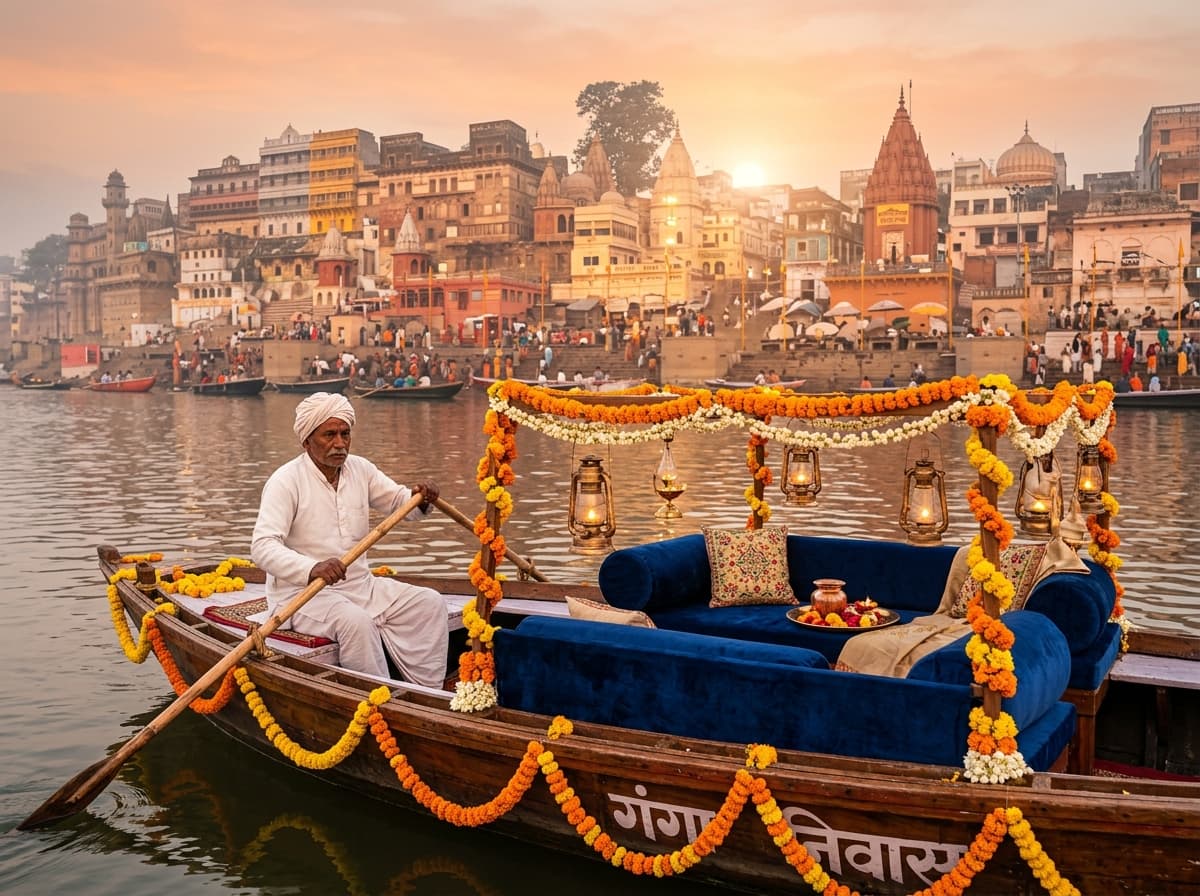
Safest Vantage Point: Private wooden boat anchored 30 meters off Manikarnika Ghat
Important Warning: Dense, intense crowds on stone steps; avoid walking onto ground pyre steps without local escorts.
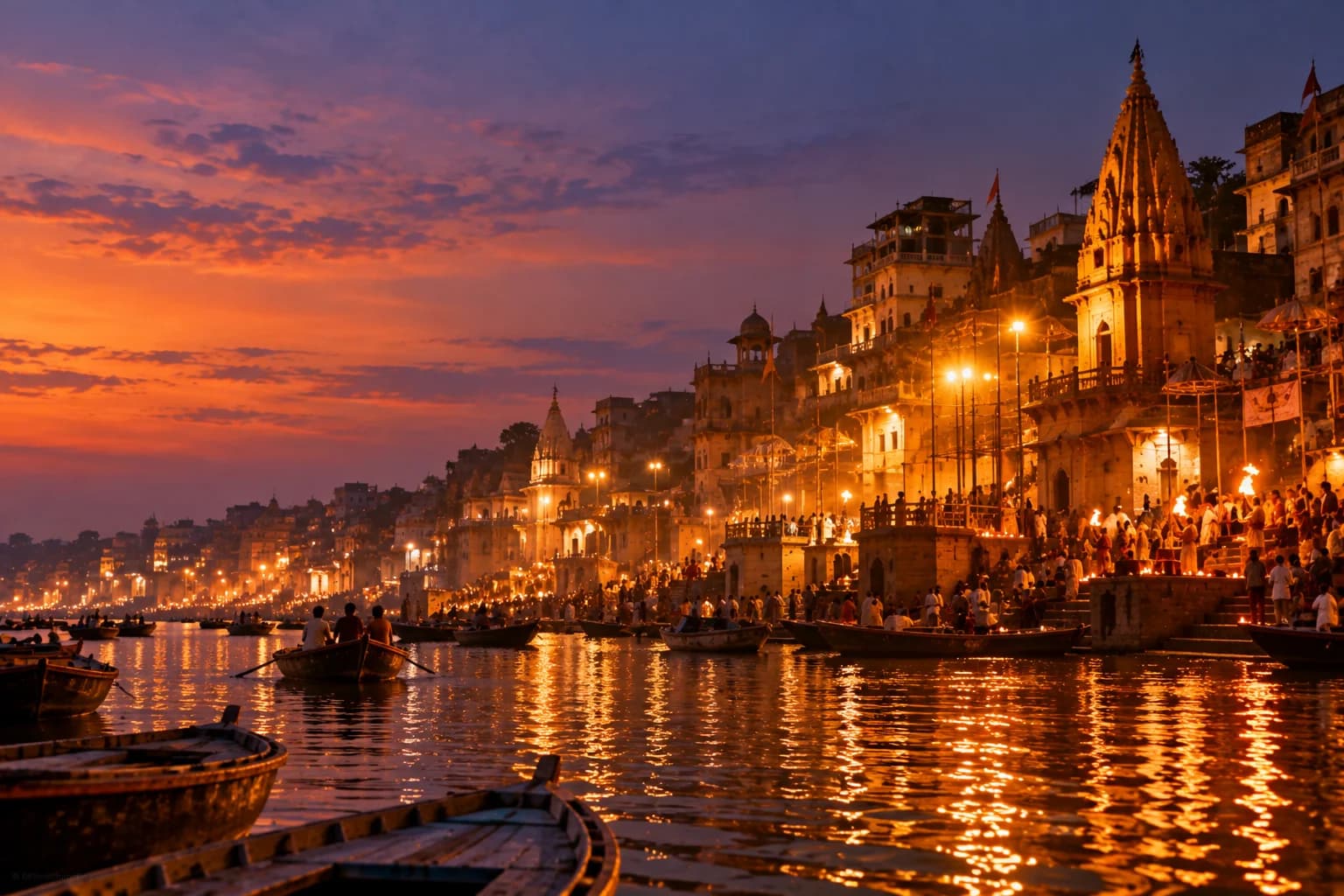
Nowhere in the world is the threshold between life, death, and ecstatic celebration as fluid as in Varanasi. While the rest of India plays Holi with water balloons and herbal powders, Kashi gathers at its eternal cremation ground — Manikarnika Ghat — to play Holi with the sacred ashes of the departed.
The Legend: Why Mahadev Celebrates with Ash
According to Puranic legend, on Rangbhari Ekadashi, Lord Shiva brought Goddess Parvati to Kashi after their celestial wedding, celebrating with gods and citizens using gulal and flowers. However, Lord Shiva's divine companions — ghosts, spirits, ghouls, and celestial attendants (bhoots and ganas) — could not participate in the pristine palace celebrations. Being the compassionate Mahadev, Shiva arrived at the cremation ground the following day to celebrate Holi with his eternal followers using the only medium available: sacred ashes (Bhasma).
Two-Day Festival Schedule in Kashi
| Day & Date | Primary Celebration | Location | Vibe & Atmosphere |
|---|---|---|---|
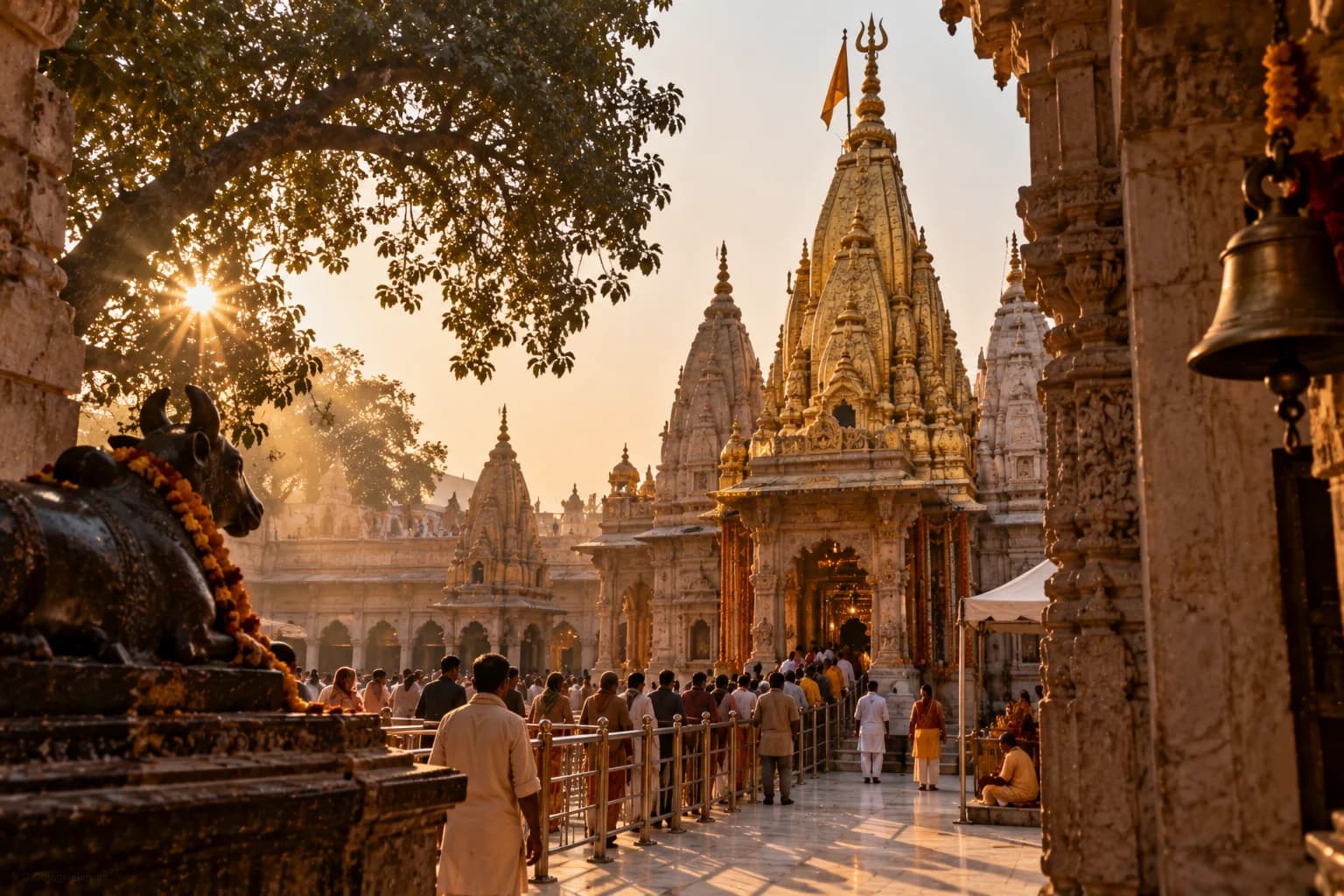
| Day 1: Rangbhari Ekadashi | Gauri-Kedar Darbar & Shiva-Parvati Procession | Kashi Vishwanath Dham to Ghats | Royal palanquins, fragrant gulal, shehnai music & flower petals |
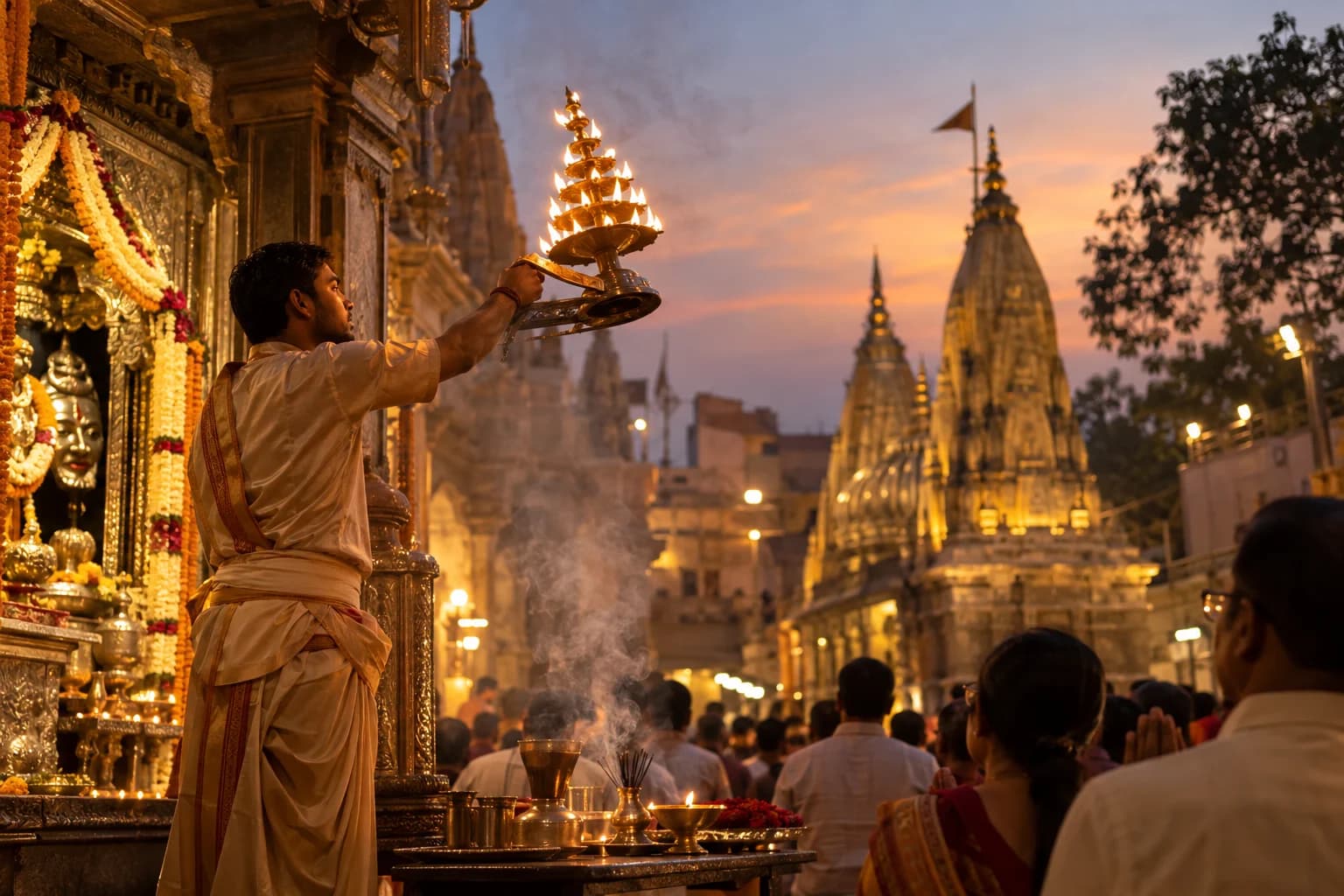
| Day 2: Masan Holi | Chita Bhasma Holi & Damru Vadan | Manikarnika Ghat & Masan Nath Mandir | Ecstatic, transcendental, intense tantric resonance & sacred ash |
Witness Masan Holi Safely from the Water
Experience this once-in-a-lifetime festival from the tranquil safety of a private river boat with SoilNSoul's vetted local guides.
Crucial Safety Tips for Travelers & Photographers
- Boat Vantage is Superior: For international tourists, solo women, and family travelers, viewing Masan Holi from a private wooden boat on the Ganga provides an unobstructed panoramic view while remaining completely away from the surging crowd.
- Gear Protection: The fine cremation ash mixed with abir penetrates electronics quickly. Wrap your DSLRs and lenses in clear rain sleeves or protective plastic wrap.
- Clothing: Wear simple cotton clothing that you do not mind discarding, and protect your eyes with clear sunglasses.
- Respect the Sanctity: Remember that Manikarnika is an active cremation ground where families bid their final farewell to loved ones. Keep a respectful demeanour and avoid loud laughter near grieving families.
Frequently Asked Questions (FAQs)
What is Masan Holi in Varanasi?
Masan Holi (also known as Chita Bhasma Holi) is an ancient, unique tradition celebrated at Manikarnika Ghat—the chief cremation ground of Kashi. Devotees and sadhus play Holi using the sacred ashes of funeral pyres mixed with pink gulal, celebrating the divine cycle of life, death, and liberation.
When is Masan Holi celebrated?
Masan Holi takes place on the day following Rangbhari Ekadashi, typically in March, approximately 4 to 5 days before the main festival of Holi. The rituals begin around 11:30 AM after special puja at the Baba Masan Nath temple.
Is Masan Holi safe for female tourists and first-time visitors?
The ground area at Manikarnika Ghat becomes intensely crowded with thousands of enthusiastic revelers, making it overwhelming for solo travelers, women, and camera gear. However, witnessing it safely from a chartered private boat on the Ganges or from reserved rooftop heritage terraces provides a respectful, completely safe vantage point.
Can tourists take photos during Masan Holi?
Yes, photography is permitted, but strict cultural sensitivity is required. Do not photograph grieving families or individual ongoing funeral pyres without permission. Focus your lenses on the Masan Nath procession and the communal ash celebration.